IT'S TIME TO TAKE CONTROL OF YOUR LOVE LIFE!
🏆 Your Bonding Style Results 🏆
Every person has a unique way of connecting, shaped by their nervous system, experiences, and deepest desires. Your Bonding Style isn’t a box to fit into; it’s a mirror reflecting how you love, attach, and seek safety. Understanding it helps you see your patterns clearly, the gifts that make your love powerful, and the blind spots that quietly sabotage connection. What you’re about to read isn’t a label, it’s your starting point for deeper self-awareness, healing, and authentic love.
Step Confidently Into The Authentic Ways You Bond Here!
IT'S TIME TO TAKE CONTROL OF YOUR LOVE LIFE!
🏆 Your Bonding Style Results 🏆
Every person has a unique way of connecting, shaped by their nervous system, experiences, and deepest desires. Your Bonding Style isn’t a box to fit into; it’s a mirror reflecting how you love, attach, and seek safety. Understanding it helps you see your patterns clearly, the gifts that make your love powerful, and the blind spots that quietly sabotage connection. What you’re about to read isn’t a label, it’s your starting point for deeper self-awareness, healing, and authentic love.
A Glimpse Into
Monogamy
You’re wired for devotion and depth. Stability, consistency, and exclusivity calm your nervous system and give you the safety to pour into one relationship with your whole heart. For you, love is less about fireworks and more about building a steady fire that never goes out.
When you’re at your best, you create a sanctuary of safety where your partner knows they can fully relax. You don’t just love in the moment, you love for the long haul.
Strengths & Weaknesses:
Strength: Loyalty is your superpower. You don’t run at the first sign of trouble, which makes you someone people can build a life with.
Watch-Out: The flip side is putting too much pressure on one person to meet every need. That can strain the relationship, leaving both of you depleted. Your healthiest love comes when you invest in friendships, community, and your own self-care alongside your partnership.
Runner-Ups (Growth Edges):
Serial Monogamy → you may not be “forever one and done,” but you stay deeply loyal in each chapter of your life.
Queerplatonic Bonds → your devotion can just as easily be poured into a best friend or chosen family bond that feels like home.
Did You Know?
Most monogamous people actually carry traits of 2–3 other bonding styles. Understanding those influences is the key to avoiding sabotage, like mistaking commitment for compatibility, or clinging to exclusivity from fear.
Reflection Prompts
Monogamy can feel like safety, but sometimes, what we call loyalty is actually fear of loss or change. These questions will help you explore whether your commitment comes from genuine connection or old programming:
When you think about your past relationships, what drew you to stay, loyalty, comfort, or genuine compatibility?
How do you define commitment for yourself versus how it’s been modeled or expected by others?
Is there someone in your life right now who feels like “home”, even if they’re not a romantic partner? What does that bond teach you about the way you love?
A Glimpse Into
Monogamy
You’re wired for devotion and depth. Stability, consistency, and exclusivity calm your nervous system and give you the safety to pour into one relationship with your whole heart. For you, love is less about fireworks and more about building a steady fire that never goes out.
When you’re at your best, you create a sanctuary of safety where your partner knows they can fully relax. You don’t just love in the moment, you love for the long haul.
Strengths & Weaknesses:
Strength: Loyalty is your superpower. You don’t run at the first sign of trouble, which makes you someone people can build a life with.
Watch-Out: The flip side is putting too much pressure on one person to meet every need. That can strain the relationship, leaving both of you depleted. Your healthiest love comes when you invest in friendships, community, and your own self-care alongside your partnership.
Runner-Ups (Growth Edges):
Serial Monogamy → you may not be “forever one and done,” but you stay deeply loyal in each chapter of your life.
Queerplatonic Bonds → your devotion can just as easily be poured into a best friend or chosen family bond that feels like home.
Did You Know?
Most monogamous people actually carry traits of 2–3 other bonding styles. Understanding those influences is the key to avoiding sabotage, like mistaking commitment for compatibility, or clinging to exclusivity from fear.
Reflection Prompts
Monogamy can feel like safety, but sometimes, what we call loyalty is actually fear of loss or change. These questions will help you explore whether your commitment comes from genuine connection or old programming:
When you think about your past relationships, what drew you to stay, loyalty, comfort, or genuine compatibility?
How do you define commitment for yourself versus how it’s been modeled or expected by others?
Is there someone in your life right now who feels like “home”, even if they’re not a romantic partner? What does that bond teach you about the way you love?
Monogamish
You thrive in loyalty with a dash of freedom. A secure “home base” plus space for play or flirtation keeps your relationships fresh. You’re proof that love and freedom don’t have to cancel each other out.
At your best, you bring a lightness and playfulness that keeps long-term love exciting. You know how to be grounded and adventurous at the same time, which makes you magnetic to partners who value balance.

Strengths & Weaknesses:
Strength: Loyalty is your superpower. You don’t run at the first sign of trouble, which makes you someone people can build a life with.
Watch-Out: Without radical clarity, curiosity can turn into chaos. What starts as open-mindedness can quickly become a breeding ground for jealousy, comparison, and emotional disconnect. You might overthink every boundary, tiptoe around your truth, or silently resent your partner for what you haven’t voiced. The tension between loyalty and freedom can twist into guilt, feeling like you’re betraying someone or betraying yourself.
Runner-Ups (Growth Edges):
Open Relationships → you may lean further into sexual freedom if you feel fully secure.
Swinging → shared exploration can become part of your couple’s erotic identity.
Did You Know?
Monogamish couples who build rituals of reassurance (like check-ins or aftercare) report higher long-term satisfaction than those who just “play it by ear.”
Reflection Prompts
It’s easy to tell yourself you can balance loyalty and freedom, until curiosity meets fear.
These questions will help you see where that tension lives in your relationships:
When a new desire or attraction surfaces, do you bring it into the light, or hide it to keep the peace?
Are your boundaries built from love and honesty, or from fear of losing control?
Monogamish
You thrive in loyalty with a dash of freedom. A secure “home base” plus space for play or flirtation keeps your relationships fresh. You’re proof that love and freedom don’t have to cancel each other out.
At your best, you bring a lightness and playfulness that keeps long-term love exciting. You know how to be grounded and adventurous at the same time, which makes you magnetic to partners who value balance.
Strengths & Weaknesses:
Strength: Loyalty is your superpower. You don’t run at the first sign of trouble, which makes you someone people can build a life with.
Watch-Out: Without radical clarity, curiosity can turn into chaos. What starts as open-mindedness can quickly become a breeding ground for jealousy, comparison, and emotional disconnect. You might overthink every boundary, tiptoe around your truth, or silently resent your partner for what you haven’t voiced. The tension between loyalty and freedom can twist into guilt, feeling like you’re betraying someone or betraying yourself.
Runner-Ups (Growth Edges):
Open Relationships → you may lean further into sexual freedom if you feel fully secure.
Swinging → shared exploration can become part of your couple’s erotic identity.
Did You Know?
Monogamish couples who build rituals of reassurance (like check-ins or aftercare) report higher long-term satisfaction than those who just “play it by ear.”
Reflection Prompts
It’s easy to tell yourself you can balance loyalty and freedom, until curiosity meets fear.
These questions will help you see where that tension lives in your relationships:
When a new desire or attraction surfaces, do you bring it into the light, or hide it to keep the peace?
Are your boundaries built from love and honesty, or from fear of losing control?
Open Relationship
(incl. Swinging)
You thrive in loyalty with a dash of freedom. A secure “home base” plus space for play or flirtation keeps your relationships fresh. You’re proof that love and freedom don’t have to cancel each other out.
At your best, you bring a lightness and playfulness that keeps long-term love exciting. You know how to be grounded and adventurous at the same time, which makes you magnetic to partners who value balance.

Strengths & Weaknesses:
Strength: You honor truth over pretense. Your willingness to name your needs creates real intimacy. You are not bound by conventional rules. You have a desire to add spice to your life and you are willing to be an outlier and see where it leads.
Watch-Out: If you don't have a strong foundation, playing outside the relationship can amplify your issues. Jealousy can sneak in if agreements aren’t clear. The stronger your communication, the stronger your freedom feels.
Runner-Ups (Growth Edges):
Monogamish → if you prefer “just a touch” of openness.
Polyamory → if emotional connections with others start to matter as much as sex.
Did You Know?
There are 6+ common forms of openness, from “Hall Pass” to “Don’t Ask, Don’t Tell.” Knowing which one fits you makes the difference between thriving and chaos.
Reflection Prompts
Openness can feel like freedom, but sometimes, what we call expansion is actually avoidance.
These questions will help you explore whether your desire for openness comes from authentic alignment or a fear of deeper intimacy:
Are you opening your relationship to expand love, or to escape discomfort that feels too vulnerable to face?
When jealousy or insecurity arises, do you use communication to deepen trust, or distance to protect yourself?
What does “freedom” mean to you, honesty and choice, or the ability to avoid being fully seen?
Open Relationship
(incl. Swinging)
You thrive in loyalty with a dash of freedom. A secure “home base” plus space for play or flirtation keeps your relationships fresh. You’re proof that love and freedom don’t have to cancel each other out.
At your best, you bring a lightness and playfulness that keeps long-term love exciting. You know how to be grounded and adventurous at the same time, which makes you magnetic to partners who value balance.
Strengths & Weaknesses:
Strength: You honor truth over pretense. Your willingness to name your needs creates real intimacy. You are not bound by conventional rules. You have a desire to add spice to your life and you are willing to be an outlier and see where it leads.
Watch-Out: If you don't have a strong foundation, playing outside the relationship can amplify your issues. Jealousy can sneak in if agreements aren’t clear. The stronger your communication, the stronger your freedom feels.
Runner-Ups (Growth Edges):
Monogamish → if you prefer “just a touch” of openness.
Polyamory → if emotional connections with others start to matter as much as sex.
Did You Know?
There are 6+ common forms of openness, from “Hall Pass” to “Don’t Ask, Don’t Tell.” Knowing which one fits you makes the difference between thriving and chaos.
Reflection Prompts
Openness can feel like freedom, but sometimes, what we call expansion is actually avoidance.
These questions will help you explore whether your desire for openness comes from authentic alignment or a fear of deeper intimacy:
Are you opening your relationship to expand love, or to escape discomfort that feels too vulnerable to face?
When jealousy or insecurity arises, do you use communication to deepen trust, or distance to protect yourself?
What does “freedom” mean to you, honesty and choice, or the ability to avoid being fully seen?
Polyamory
You believe love is abundant, not limited to one person. For you, intimacy is a garden that thrives with diversity — different people bring different gifts into your life.
At your best, you build chosen family structures that feel even stronger than the traditional couple model. You thrive in radical honesty, negotiation, and expanding the heart.

Strengths & Weaknesses:
Strength: You honor truth over pretense. Your willingness to name your needs creates real intimacy. You are not bound by conventional rules. You have a desire to add spice to your life and you are willing to be an outlier and see where it leads.
Watch-Out: Time and energy management are your Achilles’ heel. If you are not making all of your partners feel seen and valued it can create challenges over time. Your primary partner may feel the desire to cut things off if they feel like they aren't getting enough of your attention. Creating clear agreements helps prevent overwhelm and comparison.
Runner-Ups (Growth Edges):
Relationship Anarchy → if you crave total equality with no hierarchies.
Solo Poly → if independence feels just as important as connection.
Did You Know?
Polyamory has at least 5 distinct subtypes (from Hierarchical to Kitchen Table). Understanding which one fits you helps prevent burnout and jealousy.
Reflection Prompts
Polyamory can feel like abundance, but sometimes, what we call expansion is a way to avoid sitting in the intensity of one connection.
These questions will help you explore whether your multiple bonds are expressions of love or distractions from deeper emotional work:
Are you expanding love from overflow, or spreading yourself thin to avoid the vulnerability of true depth with one person?
When conflict arises in one relationship, do you lean in to repair, or shift your focus to another connection for relief?
How do you measure emotional capacity, by how many people you can love, or by how deeply you can show up for each of them?
Polyamory
You believe love is abundant, not limited to one person. For you, intimacy is a garden that thrives with diversity — different people bring different gifts into your life.
At your best, you build chosen family structures that feel even stronger than the traditional couple model. You thrive in radical honesty, negotiation, and expanding the heart.
Strengths & Weaknesses:
Strength: You honor truth over pretense. Your willingness to name your needs creates real intimacy. You are not bound by conventional rules. You have a desire to add spice to your life and you are willing to be an outlier and see where it leads.
Watch-Out: Time and energy management are your Achilles’ heel. If you are not making all of your partners feel seen and valued it can create challenges over time. Your primary partner may feel the desire to cut things off if they feel like they aren't getting enough of your attention. Creating clear agreements helps prevent overwhelm and comparison.
Runner-Ups (Growth Edges):
Relationship Anarchy → if you crave total equality with no hierarchies.
Solo Poly → if independence feels just as important as connection.
Did You Know?
Polyamory has at least 5 distinct subtypes (from Hierarchical to Kitchen Table). Understanding which one fits you helps prevent burnout and jealousy.
Reflection Prompts
Polyamory can feel like abundance, but sometimes, what we call expansion is a way to avoid sitting in the intensity of one connection.
These questions will help you explore whether your multiple bonds are expressions of love or distractions from deeper emotional work:
Are you expanding love from overflow, or spreading yourself thin to avoid the vulnerability of true depth with one person?
When conflict arises in one relationship, do you lean in to repair, or shift your focus to another connection for relief?
How do you measure emotional capacity, by how many people you can love, or by how deeply you can show up for each of them?
Solo Polyamory
You love deeply but never lose yourself. For you, independence isn’t the absence of intimacy, it’s the foundation that allows intimacy to flourish.
At your best, you balance sovereignty with connection, creating relationships that are chosen, not clung to. You’re committed, but first and foremost to yourself.

Strengths & Weaknesses:
Strength: You honor self-sovereignty. You know love works best when you’re already whole.
Watch-Out: Independence can slip into isolation. Staying open to intimacy without sacrificing freedom is your sweet spot.
Runner-Ups (Growth Edges):
Relationship Anarchy → if you reject hierarchies entirely.
Conscious Celibacy → if a season of self-focus feels truer than active partnership.
Did You Know?
Many Solo Poly people think they’re “bad at commitment.” In reality, they’re committed to living authentically — and that’s a strength, not a flaw.
Reflection Prompts
Solo polyamory can feel like empowerment, but sometimes, what we call independence is actually self-protection.
These questions will help you explore whether your autonomy comes from expansion or avoidance:
Are you choosing sovereignty because it feels aligned, or because relying on someone feels unsafe?
When love deepens, do you allow yourself to be seen fully, or pull back to preserve freedom?
What does partnership mean to you if “belonging” never requires being claimed?
Solo Polyamory
You love deeply but never lose yourself. For you, independence isn’t the absence of intimacy, it’s the foundation that allows intimacy to flourish.
At your best, you balance sovereignty with connection, creating relationships that are chosen, not clung to. You’re committed, but first and foremost to yourself.
Strengths & Weaknesses:
Strength: You honor self-sovereignty. You know love works best when you’re already whole.
Watch-Out: Independence can slip into isolation. Staying open to intimacy without sacrificing freedom is your sweet spot.
Runner-Ups (Growth Edges):
Relationship Anarchy → if you reject hierarchies entirely.
Conscious Celibacy → if a season of self-focus feels truer than active partnership.
Did You Know?
Many Solo Poly people think they’re “bad at commitment.” In reality, they’re committed to living authentically — and that’s a strength, not a flaw.
Reflection Prompts
Solo polyamory can feel like empowerment, but sometimes, what we call independence is actually self-protection.
These questions will help you explore whether your autonomy comes from expansion or avoidance:
Are you choosing sovereignty because it feels aligned, or because relying on someone feels unsafe?
When love deepens, do you allow yourself to be seen fully, or pull back to preserve freedom?
What does partnership mean to you if “belonging” never requires being claimed?
Relationship Anarchy (RA)
You reject pre-set rules. For you, every bond is a blank canvas where love is built on freedom and authenticity, not tradition or hierarchy.
At your best, you treat each connection, romantic, platonic, or familial, as equally valid. You thrive in deep honesty and personal sovereignty.

Strengths & Weaknesses:
Strength: You bring authenticity and radical freedom into every connection. You refuse to follow scripts or perform roles that don’t feel true. Your love is built on choice, not obligation, and that raw honesty has the power to awaken everyone you connect with.
Watch-Out: Without emotional maturity, RA can slip into chaos. Freedom without structure can blur into inconsistency, leaving others feeling unsafe or unseen. Boundaries don’t kill freedom, they protect it, giving your love space to grow instead of implode.
Runner-Ups (Growth Edges):
Solo Poly → if independence is your anchor.
Fluid Bonding → if your style shifts seasonally.
Did You Know?
RA isn’t “no rules” — it’s self-made rules. The Playbook shows how to co-create bonds without hierarchy but with deep clarity.
Reflection Prompts
Solo polyamory can feel like empowerment, but sometimes, what we call independence is actually self-protection.
These questions will help you explore whether your autonomy comes from expansion or avoidance:
Are you choosing sovereignty because it feels aligned, or because relying on someone feels unsafe?
When love deepens, do you allow yourself to be seen fully, or pull back to preserve freedom?
What does partnership mean to you if “belonging” never requires being claimed?
Relationship Anarchy (RA)
You reject pre-set rules. For you, every bond is a blank canvas where love is built on freedom and authenticity, not tradition or hierarchy.
At your best, you treat each connection, romantic, platonic, or familial, as equally valid. You thrive in deep honesty and personal sovereignty.
Strengths & Weaknesses:
Strength: You bring authenticity and radical freedom into every connection. You refuse to follow scripts or perform roles that don’t feel true. Your love is built on choice, not obligation, and that raw honesty has the power to awaken everyone you connect with.
Watch-Out: Without emotional maturity, RA can slip into chaos. Freedom without structure can blur into inconsistency, leaving others feeling unsafe or unseen. Boundaries don’t kill freedom, they protect it, giving your love space to grow instead of implode.
Runner-Ups (Growth Edges):
Solo Poly → if independence is your anchor.
Fluid Bonding → if your style shifts seasonally.
Did You Know?
RA isn’t “no rules” — it’s self-made rules. The Playbook shows how to co-create bonds without hierarchy but with deep clarity.
Reflection Prompts
Solo polyamory can feel like empowerment, but sometimes, what we call independence is actually self-protection.
These questions will help you explore whether your autonomy comes from expansion or avoidance:
Are you choosing sovereignty because it feels aligned, or because relying on someone feels unsafe?
When love deepens, do you allow yourself to be seen fully, or pull back to preserve freedom?
What does partnership mean to you if “belonging” never requires being claimed?
Queerplatonic & Non-Romantic Bonds
For you, intimacy doesn’t require romance or sex to be valid. You may find that your deepest partnerships are with best friends or chosen family.
At your best, you build bonds that last because they’re not bound by cultural expectations. You prove that love can be loyal, life-shaping, and powerful, even without romance.

Strengths & Weaknesses:
Strength: You honor companionship and chosen family as equally sacred. You understand that love isn’t limited to romance, it’s the daily devotion, loyalty, and care you pour into the people who truly see you. Your way of loving redefines connection itself and reminds others that intimacy doesn’t need a script.
Watch-Out: Others may not “get it,” and explaining your bond can feel exhausting. The world often undervalues what it can’t categorize, leaving you feeling unseen or misunderstood. But standing unapologetically in your truth, even when others question it, is what makes your connections unshakable and deeply authentic.
Runner-Ups (Growth Edges):
Monogamy → if one deep romantic tie still calls to you.
Aromantic Bonds → if romance simply doesn’t resonate at all.
Did You Know?
Queerplatonic partnerships often outlast traditional marriages. Your Playbook shows how to name, nurture, and protect these bonds with confidence.
Reflection Prompts
Queerplatonic and non-romantic bonds can feel like sanctuary, but sometimes, what we call peace is protection from vulnerability.
These questions will help you explore whether your devotion is rooted in wholeness or quiet avoidance of romantic risk:
Do you feel safest in platonic love because it’s truly your natural orientation, or because romance once made love feel unsafe?
Are your closest connections feeding your heart, or helping you hide from deeper desires you’ve labeled “too complicated”?
How might you let your love deepen even more, without needing it to fit a romantic mold?
Queerplatonic & Non-Romantic Bonds
For you, intimacy doesn’t require romance or sex to be valid. You may find that your deepest partnerships are with best friends or chosen family.
At your best, you build bonds that last because they’re not bound by cultural expectations. You prove that love can be loyal, life-shaping, and powerful, even without romance.
Strengths & Weaknesses:
Strength: You honor companionship and chosen family as equally sacred. You understand that love isn’t limited to romance, it’s the daily devotion, loyalty, and care you pour into the people who truly see you. Your way of loving redefines connection itself and reminds others that intimacy doesn’t need a script.
Watch-Out: Others may not “get it,” and explaining your bond can feel exhausting. The world often undervalues what it can’t categorize, leaving you feeling unseen or misunderstood. But standing unapologetically in your truth, even when others question it, is what makes your connections unshakable and deeply authentic.
Runner-Ups (Growth Edges):
Monogamy → if one deep romantic tie still calls to you.
Aromantic Bonds → if romance simply doesn’t resonate at all.
Did You Know?
Queerplatonic partnerships often outlast traditional marriages. Your Playbook shows how to name, nurture, and protect these bonds with confidence.
Reflection Prompts
Queerplatonic and non-romantic bonds can feel like sanctuary, but sometimes, what we call peace is protection from vulnerability.
These questions will help you explore whether your devotion is rooted in wholeness or quiet avoidance of romantic risk:
Do you feel safest in platonic love because it’s truly your natural orientation, or because romance once made love feel unsafe?
Are your closest connections feeding your heart, or helping you hide from deeper desires you’ve labeled “too complicated”?
How might you let your love deepen even more, without needing it to fit a romantic mold?
Conscious Celibacy & Intentional Singledom
For you, intimacy doesn’t require romance or sex to be valid. You may find that your deepest partnerships are with best You’re choosing yourself first. For you, stepping back from romance or sex isn’t a loss; it’s an empowered reset.
At your best, celibacy becomes a sanctuary where you heal, grow, and realign with your truth. You’re not anti-love, you’re pro-self. or chosen family.
At your best, you build bonds that last because they’re not bound by cultural expectations. You prove that love can be loyal, life-shaping, and powerful, even without romance.

Strengths & Weaknesses:
Strength: Sovereignty and clarity are your strengths. You’ve reclaimed your energy, redirected your focus inward, and learned that fulfillment doesn’t depend on romantic validation. Your stillness is powerful, it’s where self-trust, healing, and purpose take root.
Watch-Out: Isolation is your shadow. Solitude can quietly morph into disconnection when self-protection replaces self-honoring. Building community while honoring celibacy keeps you thriving, reminding you that being whole doesn’t mean being alone.
Runner-Ups (Growth Edges):
Solo Poly → if independence stays central, even in connection.
Aromantic Bonds → if romance simply isn’t part of your pull.
Did You Know?
Many breakthroughs, spiritual, emotional, and creative happen in seasons of celibacy. Your Playbook shows how to make this a conscious path, not just a pause.
Reflection Prompts
Queerplatonic and non-romantic bonds can feel like sanctuary, but sometimes, what we call peace is protection from vulnerability.
These questions will help you explore whether your devotion is rooted in wholeness or quiet avoidance of romantic risk:
Do you feel safest in platonic love because it’s truly your natural orientation, or because romance once made love feel unsafe?
Are your closest connections feeding your heart, or helping you hide from deeper desires you’ve labeled “too complicated”?
How might you let your love deepen even more, without needing it to fit a romantic mold?
Conscious Celibacy & Intentional Singledom
For you, intimacy doesn’t require romance or sex to be valid. You may find that your deepest partnerships are with best You’re choosing yourself first. For you, stepping back from romance or sex isn’t a loss; it’s an empowered reset.
At your best, celibacy becomes a sanctuary where you heal, grow, and realign with your truth. You’re not anti-love, you’re pro-self. or chosen family.
At your best, you build bonds that last because they’re not bound by cultural expectations. You prove that love can be loyal, life-shaping, and powerful, even without romance.
Strengths & Weaknesses:
Strength: Sovereignty and clarity are your strengths. You’ve reclaimed your energy, redirected your focus inward, and learned that fulfillment doesn’t depend on romantic validation. Your stillness is powerful, it’s where self-trust, healing, and purpose take root.
Watch-Out: Isolation is your shadow. Solitude can quietly morph into disconnection when self-protection replaces self-honoring. Building community while honoring celibacy keeps you thriving, reminding you that being whole doesn’t mean being alone.
Runner-Ups (Growth Edges):
Solo Poly → if independence stays central, even in connection.
Aromantic Bonds → if romance simply isn’t part of your pull.
Did You Know?
Many breakthroughs, spiritual, emotional, and creative happen in seasons of celibacy. Your Playbook shows how to make this a conscious path, not just a pause.
Reflection Prompts
Queerplatonic and non-romantic bonds can feel like sanctuary, but sometimes, what we call peace is protection from vulnerability.
These questions will help you explore whether your devotion is rooted in wholeness or quiet avoidance of romantic risk:
Do you feel safest in platonic love because it’s truly your natural orientation, or because romance once made love feel unsafe?
Are your closest connections feeding your heart, or helping you hide from deeper desires you’ve labeled “too complicated”?
How might you let your love deepen even more, without needing it to fit a romantic mold?
Fluid Bonding (Don’t-Label-Me)
You can’t be boxed in, and you don’t want to be. Your bonding style shifts depending on your season of life: sometimes monogamous, sometimes open, sometimes solo.
At your best, this flexibility gives you wisdom from many paths. You thrive when you honour your truth without shame, even when it changes.

Strengths & Weaknesses:
Strength: Adaptability is your gift. You can move between relationship styles with ease, flowing naturally as your seasons, desires, and truths evolve. Your openness allows love to take its most authentic form, unconfined, alive, and ever-changing.
Watch-Out: Without self-awareness, that same fluidity can feel chaotic. When you shift without communication or reflection, partners can feel lost in your evolution. Owning your changes, and naming them with clarity, keeps your freedom grounded in integrity.
Runner-Ups (Growth Edges):
Relationship Anarchy → if freedom is your deepest value.
Monogamish → if you crave stability with playful flexibility.
Did You Know?
Fluid bonding often means you carry lessons from every style. Your Playbook helps you integrate these shifts so they feel empowering, not confusing.
Reflection Prompts
Fluid bonding can feel like freedom, but sometimes, what we call flexibility is really fear of being defined.
These questions will help you explore whether your fluidity is authentic expression or quiet avoidance:
Are you flowing with truth , or drifting because choosing one thing feels like losing another?
When your connections shift, do you communicate your evolution, or hope others just “get it”?
What does freedom mean to you if no one really knows where they stand?
Fluid Bonding (Don’t-Label-Me)
You can’t be boxed in, and you don’t want to be. Your bonding style shifts depending on your season of life: sometimes monogamous, sometimes open, sometimes solo.
At your best, this flexibility gives you wisdom from many paths. You thrive when you honour your truth without shame, even when it changes.
Strengths & Weaknesses:
Strength: Adaptability is your gift. You can move between relationship styles with ease, flowing naturally as your seasons, desires, and truths evolve. Your openness allows love to take its most authentic form, unconfined, alive, and ever-changing.
Watch-Out: Without self-awareness, that same fluidity can feel chaotic. When you shift without communication or reflection, partners can feel lost in your evolution. Owning your changes, and naming them with clarity, keeps your freedom grounded in integrity.
Runner-Ups (Growth Edges):
Relationship Anarchy → if freedom is your deepest value.
Monogamish → if you crave stability with playful flexibility.
Did You Know?
Fluid bonding often means you carry lessons from every style. Your Playbook helps you integrate these shifts so they feel empowering, not confusing.
Reflection Prompts
Fluid bonding can feel like freedom, but sometimes, what we call flexibility is really fear of being defined.
These questions will help you explore whether your fluidity is authentic expression or quiet avoidance:
Are you flowing with truth , or drifting because choosing one thing feels like losing another?
When your connections shift, do you communicate your evolution, or hope others just “get it”?
What does freedom mean to you if no one really knows where they stand?
Aromantic Bonds
You can’t be boxed in, and you don’t want to be. Your bonding style shifts depending on your season of life: sometimes monogamous, sometimes romantic attraction isn’t your driver, and that’s perfectly valid. Your bonds thrive on loyalty, companionship, and chosen family.
At your best, you show others that love is far bigger than romance. You create security and connection in ways that challenge limiting cultural scripts. open, sometimes solo.
At your best, this flexibility gives you wisdom from many paths. You thrive when you honour your truth without shame, even when it changes.
Strengths & Weaknesses:
Strength: You normalize non-romantic love as powerful. You remind the world that fulfillment doesn’t require romance, that loyalty, companionship, and shared purpose can be just as rich and meaningful. Your presence challenges cultural norms and expands the definition of love itself.
Watch-Out: Others may dismiss or minimize your style, projecting their own expectations of romance onto you. It can feel isolating to constantly explain that your way of loving isn’t “less than”, it’s simply different. Your clarity and self-acceptance are your shield here, and your quiet revolution is a gift to others learning to love beyond convention.
Runner-Ups (Growth Edges):
Queerplatonic Bonds → where friendship itself becomes life partnership.
Conscious Celibacy → if independence and self-focus call to you.
Did You Know?
Aromantic doesn’t mean “loveless.” Your Playbook explores how aromantic people thrive in fulfilling, supportive bonds.
Reflection Prompts
Aromantic bonds can feel like relief, but sometimes, what we call disinterest in romance is actually protection from pain. These questions will help you explore whether your orientation is rooted in authentic wiring or emotional self-preservation:
Do you genuinely feel fulfilled without romance, or have past disappointments made it easier to opt out?
How do you express love and connection when traditional romantic gestures don’t resonate?
What would safety in love look like if it didn’t require romance, but also didn’t reject it out of fear?
Aromantic Bonds
You can’t be boxed in, and you don’t want to be. Your bonding style shifts depending on your season of life: sometimes monogamous, sometimesRomantic attraction isn’t your driver, and that’s perfectly valid. Your bonds thrive on loyalty, companionship, and chosen family.
At your best, you show others that love is far bigger than romance. You create security and connection in ways that challenge limiting cultural scripts. open, sometimes solo.
At your best, this flexibility gives you wisdom from many paths. You thrive when you honour your truth without shame, even when it changes.
Strengths & Weaknesses:
Strength: You normalize non-romantic love as powerful. You remind the world that fulfillment doesn’t require romance, that loyalty, companionship, and shared purpose can be just as rich and meaningful. Your presence challenges cultural norms and expands the definition of love itself.
Watch-Out: Others may dismiss or minimize your style, projecting their own expectations of romance onto you. It can feel isolating to constantly explain that your way of loving isn’t “less than”, it’s simply different. Your clarity and self-acceptance are your shield here, and your quiet revolution is a gift to others learning to love beyond convention.
Runner-Ups (Growth Edges):
Queerplatonic Bonds → where friendship itself becomes life partnership.
Conscious Celibacy → if independence and self-focus call to you.
Did You Know?
Aromantic doesn’t mean “loveless.” Your Playbook explores how aromantic people thrive in fulfilling, supportive bonds.
Reflection Prompts
Aromantic bonds can feel like relief, but sometimes, what we call disinterest in romance is actually protection from pain. These questions will help you explore whether your orientation is rooted in authentic wiring or emotional self-preservation:
Do you genuinely feel fulfilled without romance, or have past disappointments made it easier to opt out?
How do you express love and connection when traditional romantic gestures don’t resonate?
What would safety in love look like if it didn’t require romance, but also didn’t reject it out of fear?
Ready to Go Deeper?
What you just saw was the surface, a snapshot of how your nervous system loves, attaches, and protects itself.
But your Bonding Styles aren’t static boxes. They’re living blueprints, shaped by experience, trauma, healing, and growth.
If you stop here, these results will stay interesting facts.
If you go deeper, they become the map to your next level of love, communication, and connection.
That’s exactly why we created the Full Bonding Styles Course, exclusively inside The Awakened Relationship Society™.
Ready to Go Deeper?
What you just saw was the surface, a snapshot of how your nervous system loves, attaches, and protects itself.
But your Bonding Styles aren’t static boxes. They’re living blueprints, shaped by experience, trauma, healing, and growth.
If you stop here, these results will stay interesting facts.
If you go deeper, they become the map to your next level of love, communication, and connection.
That’s exactly why we created the Full Bonding Styles Course, exclusively inside The Awakened Relationship Society™.
HERE'S WHAT YOU GET
The Full Bonding Styles Course
🎥 Video Trainings for Every Bonding Style
Go beyond your top results and dive deep into all nine bonding styles through immersive trainings that reveal each style’s unique strengths, hidden shadows, and powerful paths of integration. Discover how every style contributes to the bigger picture of connection — and how understanding them all can transform the way you love, relate, and grow.

🪶 Interactive Playbooks
Each style includes a guided workbook packed with reflection prompts, boundary frameworks, and embodiment practices — all designed to help you integrate what you’re learning into real-life moments. These exercises don’t just deepen your understanding; they help you live the transformation by bringing awareness, balance, and connection into your everyday relationships.
💬 1-Month Membership Access (Bonus!)
Join The Awakened Relationship Society™ for a full month, on us.

This Course Gives You The Clarity And Language To Understand
Yourself And The People You Love, On A Level Most Never Reach.

Plus: 1 Month of Membership Access (Bonus!)
When you join today, you’ll also receive a free month inside The Awakened Relationship Society™, giving you full access to:
- Weekly live coaching calls
- Member-only courses, interviews, and workshops
- Style-specific chat rooms and community support
- A global space where people are redefining what conscious love looks like
HERE'S WHAT YOU GET
The Full Bonding Styles Course
🎥 Video Trainings for Every Bonding Style
Go beyond your top results and dive deep into all nine bonding styles through immersive trainings that reveal each style’s unique strengths, hidden shadows, and powerful paths of integration. Discover how every style contributes to the bigger picture of connection — and how understanding them all can transform the way you love, relate, and grow.
🪶 Interactive Playbooks
Each style includes a guided workbook packed with reflection prompts, boundary frameworks, and embodiment practices — all designed to help you integrate what you’re learning into real-life moments. These exercises don’t just deepen your understanding; they help you live the transformation by bringing awareness, balance, and connection into your everyday relationships.
💬 1-Month Membership Access (Bonus!)
Join The Awakened Relationship Society™ for a full month, on us.
This Course Gives You The Clarity And Language To Understand Yourself And The People You Love, On A Level Most Never Reach.
Plus: 1 Month of Membership Access (Bonus!)
When you join today, you’ll also receive a free month inside The Awakened Relationship Society™, giving you full access to:
- Weekly live coaching calls
- Member-only courses, interviews, and workshops
- Style-specific chat rooms and community support
- A global space where people are redefining what conscious love looks like
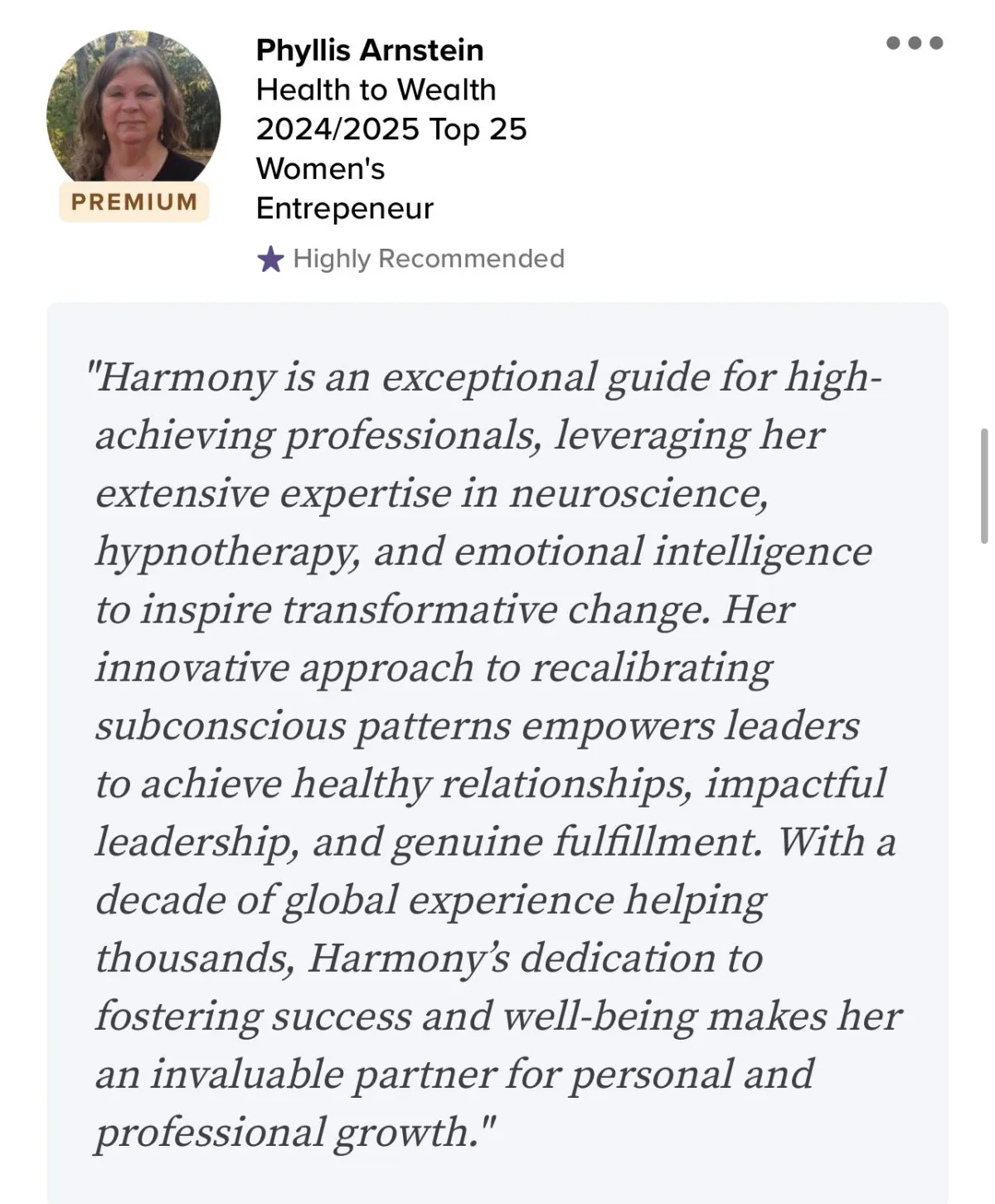
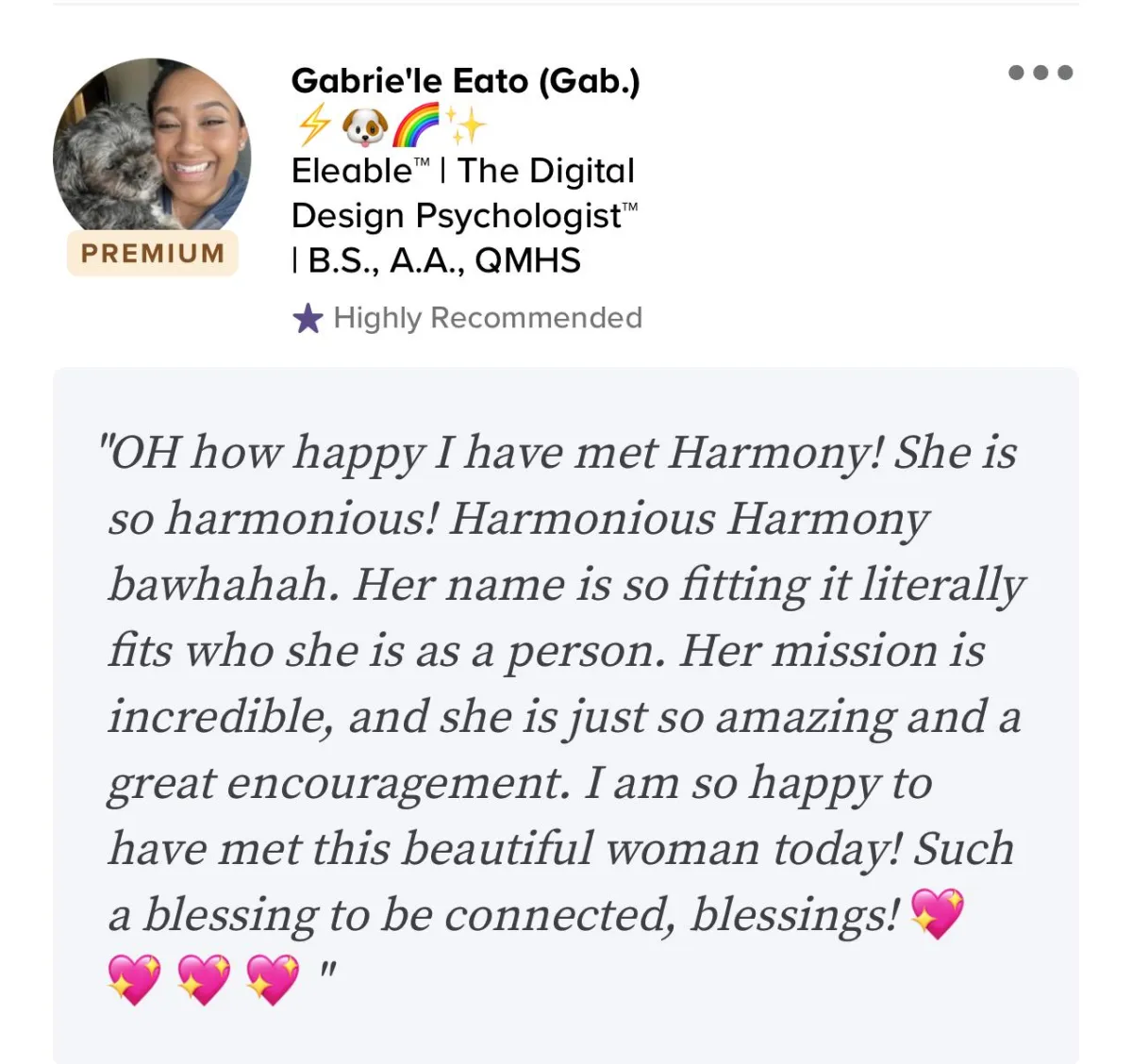
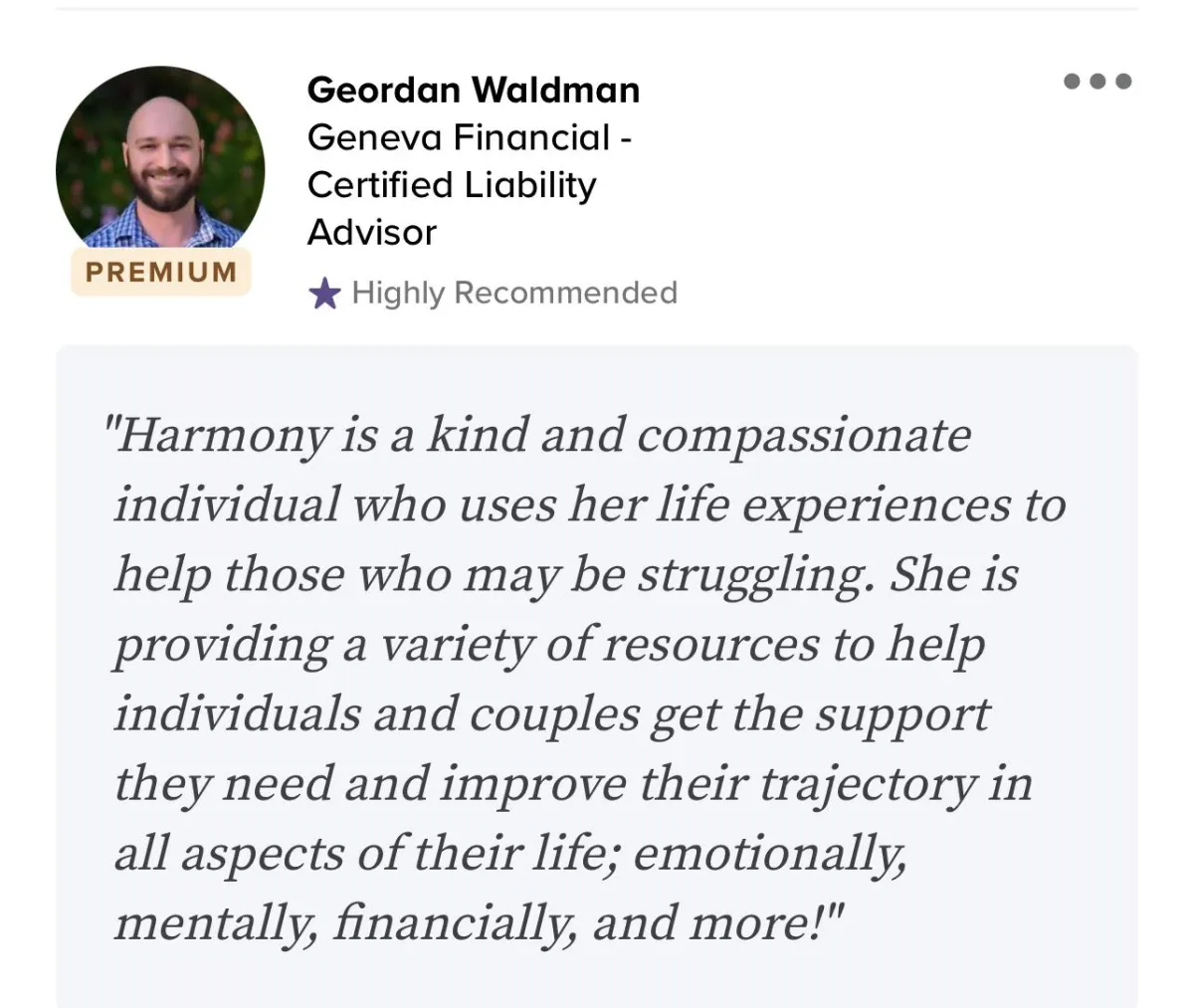
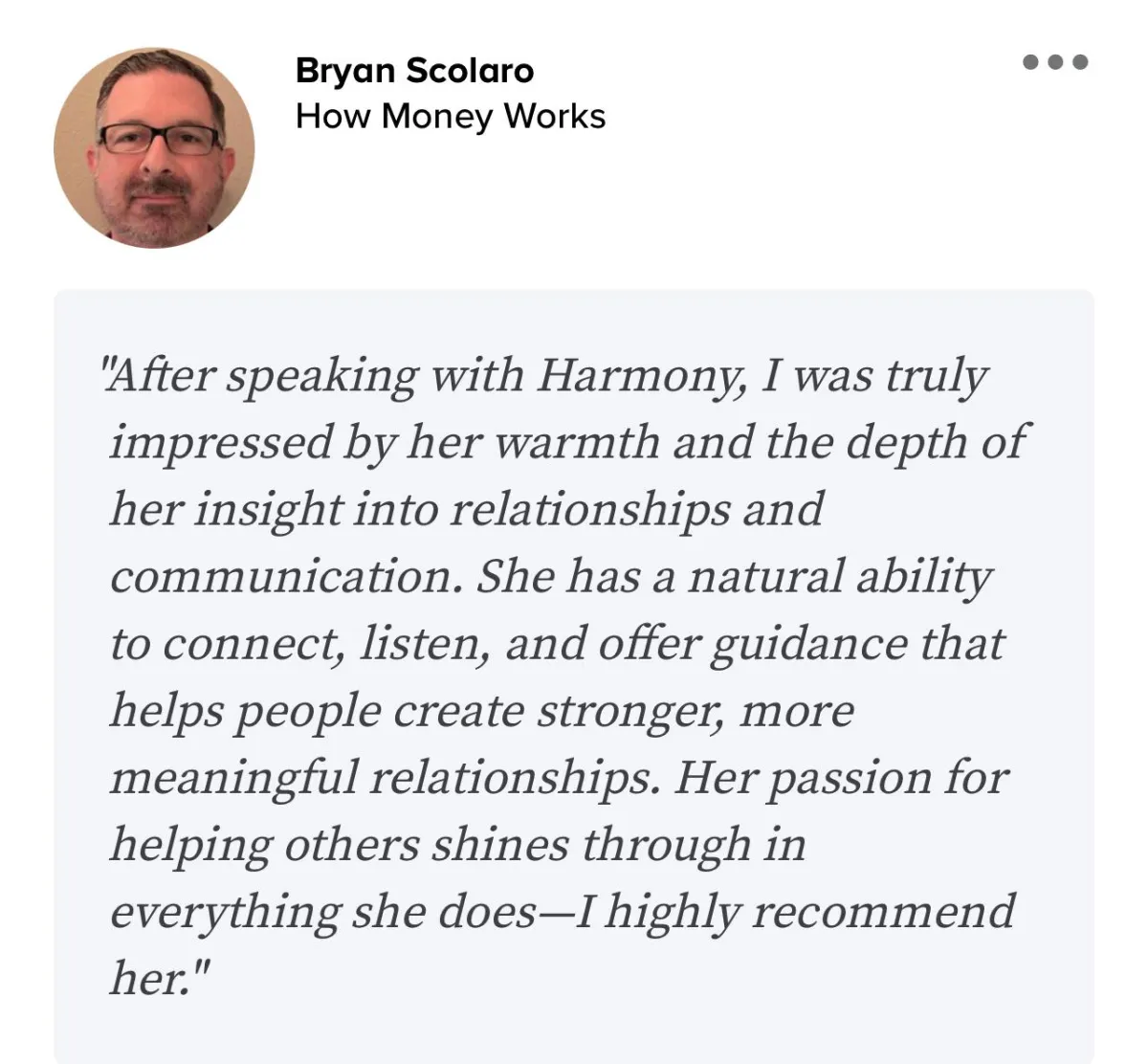
TESTIMONIAL
What our customers are saying...
See how our services are making a difference for businesses like yours.

TESTIMONIAL
What our customers are saying...
See how our services are making a difference for businesses like yours.
LIMITED TIME FOUNDING MEMBERS OFFER
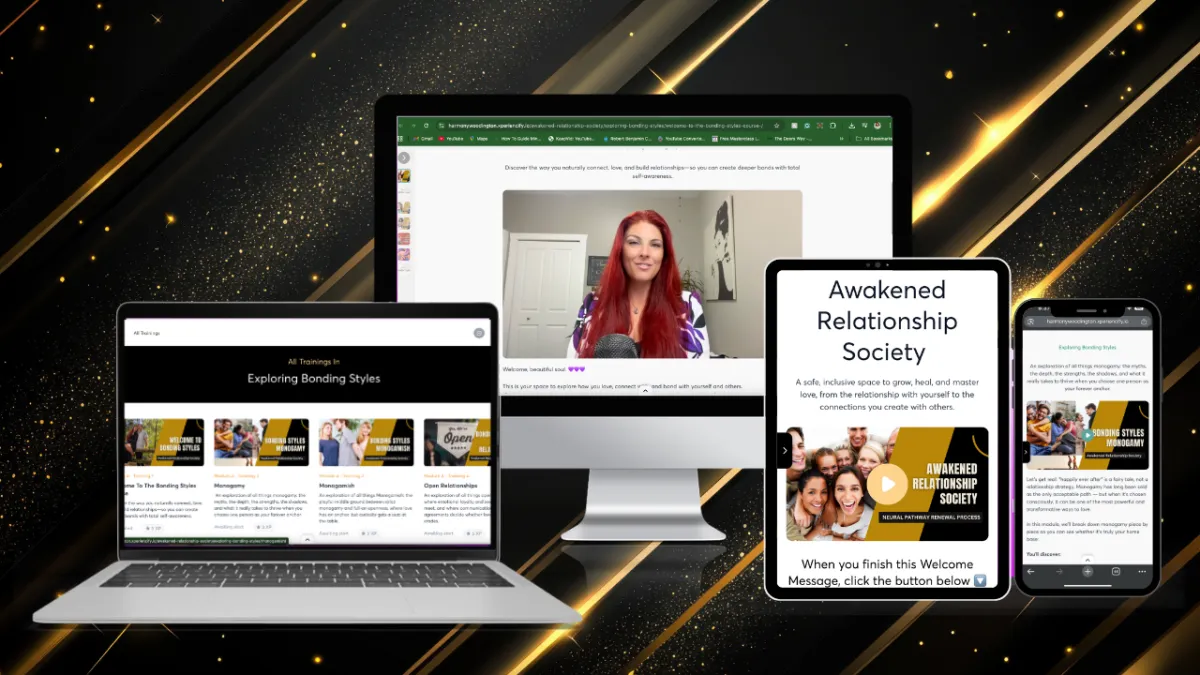
Here’s what you’ll get...
Join us for the newly launched membership. Evolve your mindset and master connection!
LIMITED TIME FOUNDING MEMBERS OFFER
Here’s what you’ll get...
Join us for the newly launched membership. Evolve your mindset and master connection!

The Explorer Plan
Bonding Styles Course (Bonus 1 Free Month Inside The Awakened Relationship Society
The Full Bonding Styles Course
Video trainings diving deep into every bonding style
Companion playbooks with reflection prompts, tools & boundaries
Guidance on how your styles interact and influence your relationships
A framework to understand your love patterns with clarity and confidence
Bonus: 1 Month Free Inside The Awakened Relationship Society™
Weekly live coaching sessions with Harmony
Full access to all courses, including the Neural Pathway Renewal Process™
Exclusive expert interviews & Relationship Stories, & Live trainings
Member forum to explore your bonding style, ask questions, and connect
Become a founding member for a global community of people redefining conscious love together
The Explorer Plan
Bonding Styles Course (Bonus 1 Free Month Inside The Awakened Relationship Society
The Full Bonding Styles Course
Video trainings diving deep into every bonding style
Companion playbooks with reflection prompts, tools & boundaries
Guidance on how your styles interact and influence your relationships
A framework to understand your love patterns with clarity and confidence
Bonus: 1 Month Free Inside The Awakened Relationship Society™
Weekly live coaching sessions with Harmony
Full access to all courses, including the Neural Pathway Renewal Process™
Exclusive expert interviews & Relationship Stories, & Live trainings
Member forum to explore your bonding style, ask questions, and connect
Become a founding member for a global community of people redefining conscious love together
The Founder’s Circle
Your Awakened Relationship Society™ Annual Membership
Become part of a global movement redefining love, connection, and self-mastery.
Your membership gives you everything you need to heal, rewire, and rise, with tools, community, and support that grow with you.
Included in Your Membership
🧭 Core Courses
30-Day Alignment Accelerator™ - Align your thoughts, emotions, and energy to set the foundation for success.
Neural Pathway Renewal Process™ - Rewire subconscious patterns and build the mindset for secure, lasting love.
Bonding Styles Course™ - Decode how you love and connect with in-depth trainings + companion playbooks.
🎙 Expert & Story Interviews
Learn from leaders in financial, medical, and emotional wellness.
Hear real love stories from people transforming relationships through conscious growth.
💬 Live Support & Community
Weekly Live Coaching Sessions - Get support and guidance directly from Harmony.
Member Forum - A thriving, judgment-free space with chat rooms for every topic
🎁 Annual Member Bonuses
Internal Dialogue Mastery - Rewire your inner voice for confidence & self-trust.
The History of Kinesiology - Understand the science behind subconscious communication.
Self-Communication Mastery - Access clear guidance from your subconscious mind.
The THRIVE Framework - Build resilience, emotional balance, and purpose-driven living.
Redefine Yourself - Break generational patterns & consciously design your next chapter.
30-Day Self-Love Challenge - Build daily practices of self-worth and emotional safety.
✨ Exclusive Founders’ Offer (First 25 Only)
→ 4 Hours of Private 1:1 Coaching with Harmony (Value: $1,200+)
🌟 Coming Soon Inside
🌀 Wild Woman Course | 🔥 Modern Masculine | 💞 Conscious Coupling | 🌪 Grounded Goodbye | 🌈 Sensual Circle
The Founder’s Circle
Your Awakened Relationship Society™ Annual Membership
Become part of a global movement redefining love, connection, and self-mastery.
Your membership gives you everything you need to heal, rewire, and rise, with tools, community, and support that grow with you.
Included in Your Membership
🧭 Core Courses
30-Day Alignment Accelerator™ - Align your thoughts, emotions, and energy to set the foundation for success.
Neural Pathway Renewal Process™ - Rewire subconscious patterns and build the mindset for secure, lasting love.
Bonding Styles Course™ - Decode how you love and connect with in-depth trainings + companion playbooks.
🎙 Expert & Story Interviews
Learn from leaders in financial, medical, and emotional wellness.
Hear real love stories from people transforming relationships through conscious growth.
💬 Live Support & Community
Weekly Live Coaching Sessions - Get support and guidance directly from Harmony.
Member Forum - A thriving, judgment-free space with chat rooms for every topic
🎁 Annual Member Bonuses
Internal Dialogue Mastery - Rewire your inner voice for confidence & self-trust.
The History of Kinesiology - Understand the science behind subconscious communication.
Self-Communication Mastery - Access clear guidance from your subconscious mind.
The THRIVE Framework - Build resilience, emotional balance, and purpose-driven living.
Redefine Yourself - Break generational patterns & consciously design your next chapter.
30-Day Self-Love Challenge - Build daily practices of self-worth and emotional safety.
✨ Exclusive Founders’ Offer (First 25 Only)
→ 4 Hours of Private 1:1 Coaching with Harmony (Value: $1,200+)
🌟 Coming Soon Inside
🌀 Wild Woman Course | 🔥 Modern Masculine | 💞 Conscious Coupling | 🌪 Grounded Goodbye | 🌈 Sensual Circle
Special Offer
limited-time promotion
ONLY $539
Original Price: $997
Special Offer
limited-time promotion
ONLY $539
Original Price: $997
The shift you’ve been craving starts here.
From Surviving Love to Mastering It
You don’t have to do this alone anymore. Inside The Awakened Relationship Society™, you’ll get the tools, support, and community that make healing actually sustainable.
BEFORE Joining Awakened Relationship Society
You’re doing your best to love, but something still feels off.
You attract the same patterns with different people, love that starts strong but ends in confusion or distance.
You overthink everything, walking on eggshells trying not to “mess it up.”
Communication turns into conflict, or worse, silence.
You give more than you receive and end up feeling unseen or unappreciated.
You crave closeness but your nervous system doesn’t feel safe enough to relax into it.
You know you’re meant for deeper love… but you can’t quite find the way there.
AFTER Joining Awakened Relationship Society
You finally understand yourself, and love starts to feel calm, connected, and real.
You recognize your patterns and know how to shift them with ease.
Communication feels safe, honest, and emotionally intelligent, even during conflict
Your nervous system feels steady, so love no longer feels like a rollercoaster.
Proven structure that convert leads fast
You attract people who meet you with the same depth, maturity, and devotion you offer.
You feel grounded in both independence and intimacy, no more losing yourself to love.
You’re surrounded by a conscious community that celebrates your growth and reminds you you’re not alone.
The shift you’ve been craving starts here.
From Surviving Love to Mastering It
You don’t have to do this alone anymore. Inside The Awakened Relationship Society™, you’ll get the tools, support, and community that make healing actually sustainable.
BEFORE Joining Awakened Relationship Society
You’re doing your best to love, but something still feels off.
You attract the same patterns with different people, love that starts strong but ends in confusion or distance.
You overthink everything, walking on eggshells trying not to “mess it up.”
Communication turns into conflict, or worse, silence.
You give more than you receive and end up feeling unseen or unappreciated.
You crave closeness but your nervous system doesn’t feel safe enough to relax into it.
You know you’re meant for deeper love… but you can’t quite find the way there.
AFTER Joining Awakened Relationship Society
You finally understand yourself, and love starts to feel calm, connected, and real.
You recognize your patterns and know how to shift them with ease.
Communication feels safe, honest, and emotionally intelligent, even during conflict
Your nervous system feels steady, so love no longer feels like a rollercoaster.
Proven structure that convert leads fast
You attract people who meet you with the same depth, maturity, and devotion you offer.
You feel grounded in both independence and intimacy, no more losing yourself to love.
You’re surrounded by a conscious community that celebrates your growth and reminds you you’re not alone.
JOIN THE SUCCESS JOURNEY
If you think you are one of these...
You Need The Awakened Relationship Society
SINGLE
You’re ready to find your soulmate but keep meeting emotionally unavailable people — and you’re done settling for crumbs.
SINGLE (PUPPY, KITTEN OR BIRD PARENT)
You swore off dating and poured your love into your fur baby… but deep down, you still want connection.
DIVORCING
You’re stuck in emotional warfare and want to handle this ending with grace, strength, and self-respect instead of destruction.
DIVORCED
You’ve healed, you’re stronger, but dating again feels confusing, awkward, and a little terrifying. You want a roadmap.
COUPLED
You swore off dating and poured your love into your fur baby… but– You love your partner but the connection feels off. You’re stuck in loops of arguing, deep down, you still want connection.
MARRIED
The spark has dimmed. You’re roommates more than lovers, and you want the romance, intimacy, and emotional connection back.
EMPTY NESTERS
The kids are grown, the house is quiet, and you’re realizing it’s time to rediscover each other, or maybe even rediscover yourself.
Healing & Growing
You’re fresh out of something painful, heartbreak, betrayal, loss, and you want to turn the lessons into lasting change.
EXPLORING
You’re questioning what love really means for you. Monogamy, polyamory, celibacy, or something in between, and you want clarity, not judgment.
REBUILDING
You’ve been through the fire and rebuilt every part of your life except your relationships. You’re ready to make love the next area that finally works.
RECLAIMING CONFIDENCE
You’re ready to release sexual shame, rebuild trust with your body, and create a healthy, confident, empowered relationship with yourself, and with others, rooted in self-love instead of fear.
EXPLORING SEXUALITY
You’re curious about kinks, intimacy, or new expressions of sexuality but want to explore in a way that’s safe, conscious, and grounded, free from shame, control, or performative energy. You want expansion, not exploitation.y means for you. Monogamy, polyamory, celibacy, or something in between, and you want clarity, not judgment.
JOIN THE SUCCESS JOURNEY
If you think you are one of these...
You Need The Awakened Relationship Society
SINGLE
You’re ready to find your soulmate but keep meeting emotionally unavailable people — and you’re done settling for crumbs.
SINGLE (PUPPY, KITTEN OR BIRD PARENT)
You swore off dating and poured your love into your fur baby… but deep down, you still want connection.
DIVORCING
You’re stuck in emotional warfare and want to handle this ending with grace, strength, and self-respect instead of destruction.
DIVORCED
You’ve healed, you’re stronger, but dating again feels confusing, awkward, and a little terrifying. You want a roadmap.
COUPLED
You swore off dating and poured your love into your fur baby… but– You love your partner but the connection feels off. You’re stuck in loops of arguing, deep down, you still want connection.
MARRIED
The spark has dimmed. You’re roommates more than lovers, and you want the romance, intimacy, and emotional connection back.
EMPTY NESTERS
The kids are grown, the house is quiet, and you’re realizing it’s time to rediscover each other, or maybe even rediscover yourself.
Healing & Growing
You’re fresh out of something painful, heartbreak, betrayal, loss, and you want to turn the lessons into lasting change.
EXPLORING
You’re questioning what love really means for you. Monogamy, polyamory, celibacy, or something in between, and you want clarity, not judgment.
REBUILDING
You’ve been through the fire and rebuilt every part of your life except your relationships. You’re ready to make love the next area that finally works.
RECLAIMING CONFIDENCE
You’re ready to release sexual shame, rebuild trust with your body, and create a healthy, confident, empowered relationship with yourself, and with others, rooted in self-love instead of fear.
EXPLORING SEXUALITY
You’re curious about kinks, intimacy, or new expressions of sexuality but want to explore in a way that’s safe, conscious, and grounded, free from shame, control, or performative energy. You want expansion, not exploitation.y means for you. Monogamy, polyamory, celibacy, or something in between, and you want clarity, not judgment.
Meet Your Guide.
Harmony Woodington C.Ht.
Subconscious Strategist. Nervous System Recalibrator. Relationship Alchemist.
Also known as your favourite walking Massive Pattern Interrupt.
I’m not here to hand you rules.
I’m here to help you remember who you were before the chaos, the conditioning, and the emotional performance took over.

BEFORE I WAS A GUIDE
I was a seeker, doing therapy, vision boards, masterminds, and trauma trainings.
They helped... but none of them rewired the subconscious patterns quietly sabotaging every relationship I touched.
So I went deeper.
I healed the programs that equated chaos with love.
I stopped performing and started choosing from power.
And I built the kind of relationship I used to think didn’t exist. One rooted in truth, sovereignty, and turned-on devotion.
For 12+ years, I’ve helped high-level humans move through heartbreak, divorce, self-abandonment, and emotional chaos, so they can stop trying to get love right and become the version of themselves that does.
I created The Energy Integration System™, my signature 1:1 program, from over a decade of working hands-on with clients, refining countless frameworks, writing my bestselling book Yes, and developing transformational IP that delivers real results.
Everything I teach has been tested in the field and proven to work.
This isn’t theory.
It’s lived, embodied, and evidence-backed transformation.
But most importantly?
I don’t just teach this.
I live it.
And now I’m here to walk beside you—fiercely, lovingly, and unapologetically, as you reclaim your mind, body, and love story.

Meet Your Guide.
Harmony Woodington C.Ht.
Subconscious Strategist. Nervous System Recalibrator. Relationship Alchemist.
Also known as your favourite walking Massive Pattern Interrupt.
I’m not here to hand you rules.
I’m here to help you remember who you were before the chaos, the conditioning, and the emotional performance took over.
BEFORE I WAS A GUIDE
I was a seeker, doing therapy, vision boards, masterminds, and trauma trainings.
They helped... but none of them rewired the subconscious patterns quietly sabotaging every relationship I touched.
So I went deeper.
I healed the programs that equated chaos with love.
I stopped performing and started choosing from power.
And I built the kind of relationship I used to think didn’t exist. One rooted in truth, sovereignty, and turned-on devotion.
For 12+ years, I’ve helped high-level humans move through heartbreak, divorce, self-abandonment, and emotional chaos, so they can stop trying to get love right and become the version of themselves that does.
I created The Energy Integration System™, my signature 1:1 program, from over a decade of working hands-on with clients, refining countless frameworks, writing my bestselling book Yes, and developing transformational IP that delivers real results.
Everything I teach has been tested in the field and proven to work.
This isn’t theory.
It’s lived, embodied, and evidence-backed transformation.
But most importantly?
I don’t just teach this.
I live it.
And now I’m here to walk beside you—fiercely, lovingly, and unapologetically, as you reclaim your mind, body, and love story.
JOIN THE RELATIONSHIP REVOLUTION
Experience The Kind Of Love That Expands You,
Not Drains You.
Stop repeating old patterns and start building relationships that feel safe, passionate, and real.
JOIN THE RELATIONSHIP REVOLUTION
Experience The Kind Of Love That Expands You,
Not Drains You.
Stop repeating old patterns and start building relationships that feel safe, passionate, and real.
FAQ
Frequently Asked Questions
Everything you need to know about the Awakened Relationship Society
FAQ
Frequently Asked Questions
Everything you need to know about the Awakened Relationship Society
What exactly is The Awakened Relationship Society?
It’s an ever-evolving ecosystem designed to help you master your mind, heal relationship patterns, and create love that supports your highest self. Inside, you’ll find transformational courses, expert interviews, live coaching calls, and a private community space where growth feels safe, supported, and celebrated.
Who is this membership for?
Anyone ready to stop repeating old relationship patterns and start consciously creating love that feels aligned. Whether you’re single, divorced, partnered, married, or exploring new relationship styles, this space meets you exactly where you are.
Do I have to be in a relationship to join?
Not at all. The Society is designed to help you build a healthy, empowered relationship with yourself first — because that’s the foundation for everything else. Singles, couples, and everyone in between are welcome.
I’ve done therapy and coaching before. How is this different?
This isn’t just mindset work, it’s neurological rewiring. You’ll learn how to work directly with your subconscious and nervous system using the Neural Pathway Renewal Process™ so the changes you make actually stick.
I’m already in a relationship; is this still for me?
Yes. In fact, that’s when this work becomes the most powerful. The Awakened Relationship Society™ isn’t just about finding love, it’s about elevating it.
Inside, you’ll learn how to deepen communication, regulate your nervous system during conflict, and rebuild emotional and physical intimacy that lasts. Whether you want to reignite passion, navigate challenges, or simply grow together more consciously, this space gives you the tools to make your relationship thrive, not just survive.
Ready to Transform inside
The Awakened Relationship Society?
The doors are open, and the first circle is forming.
As a Founding Member, you won’t just join a community, you’ll shape it.
Together, we’re building a new world of conscious, emotionally intelligent love.
What exactly is The Awakened Relationship Society?
It’s an ever-evolving ecosystem designed to help you master your mind, heal relationship patterns, and create love that supports your highest self. Inside, you’ll find transformational courses, expert interviews, live coaching calls, and a private community space where growth feels safe, supported, and celebrated.
Who is this membership for?
Anyone ready to stop repeating old relationship patterns and start consciously creating love that feels aligned. Whether you’re single, divorced, partnered, married, or exploring new relationship styles, this space meets you exactly where you are.
Do I have to be in a relationship to join?
Not at all. The Society is designed to help you build a healthy, empowered relationship with yourself first — because that’s the foundation for everything else. Singles, couples, and everyone in between are welcome.
I’ve done therapy and coaching before. How is this different?
This isn’t just mindset work, it’s neurological rewiring. You’ll learn how to work directly with your subconscious and nervous system using the Neural Pathway Renewal Process™ so the changes you make actually stick.
I’m already in a relationship; is this still for me?
Yes. In fact, that’s when this work becomes the most powerful. The Awakened Relationship Society™ isn’t just about finding love, it’s about elevating it.
Inside, you’ll learn how to deepen communication, regulate your nervous system during conflict, and rebuild emotional and physical intimacy that lasts. Whether you want to reignite passion, navigate challenges, or simply grow together more consciously, this space gives you the tools to make your relationship thrive, not just survive.
Ready to Transform inside
The Awakened Relationship Society?
The doors are open, and the first circle is forming.
As a Founding Member, you won’t just join a community, you’ll shape it.
Together, we’re building a new world of conscious, emotionally intelligent love.
© 2025 Awakened Body - All rights reserved.